Is it true that this tea that everyone has at home makes your teeth white? Understand
Does green tea really whiten teeth? Understand here.
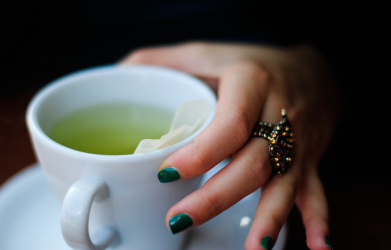
Many people spend a lot of money at the dentist, on veneers and whitening to keep their teeth white and shining, but not everyone can or wants to do this. There are several ways to avoid stains on your teeth, such as washing your mouth well after consuming certain foods, such as sweets and coffee, and having good oral hygiene to avoid tartar buildup.
In addition to preventing stains at home, there are also several homemade and unproven methods of whitening your teeth. Below you will read about some of them, especially the use of green tea for whitening.

Does green tea really whiten teeth?
An idea shared by many people is that green tea, which almost everyone has at home, is capable of whitening teeth. Even some news outlets, such as the Argentine website El Cronista (cited by tvi.iol.pt), argue that this tea prevents the accumulation of tartar on the teeth and can help clean the mouth and, consequently, whiten the teeth.
But is this true? According to the bibliographic study published in 2021, “Therapeutic effects of green tea as an antioxidant on oral health” (free translation), several research and in vitro tests demonstrated that the growth of bacteria that cause periodontal problems is inhibited by a compound present in green tea, EGCG.
"Green tea-based products have been found to increase the total antioxidant capacity of gingival crevicular fluid, in addition to having potent anti-inflammatory and anti-plaque effects. Regular consumption of green tea can reduce the rate of gingival bleeding, the depth of the periodontal pocket and promote periodontal healing," reports the research.
By reducing the formation of tartar, green tea has the potential to prevent stains on teeth and, consequently, help whiten them.
However, already formed tartar can only be removed through cleaning carried out by dentists, with the help of specific equipment. Furthermore, no food or home method can replace regular oral hygiene, which includes brushing and flossing.
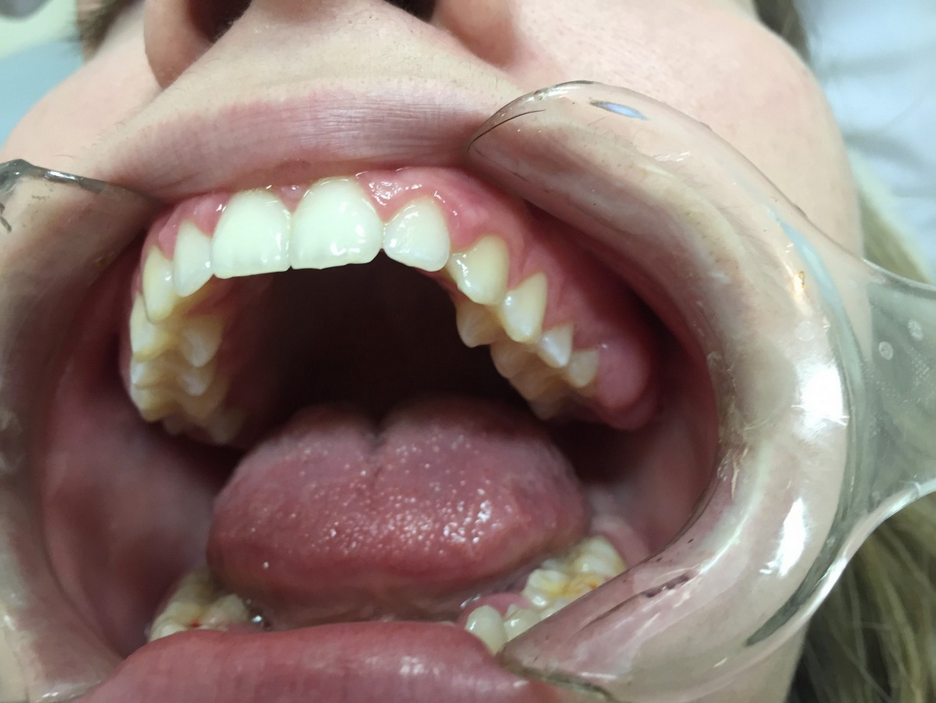
How to whiten your teeth at home
Even though studies on at-home whiteners are limited, there is initial research and speculation about some natural products that may be able to whiten teeth. Some options are:
Brush your teeth with baking soda: The slight abrasion that baking soda causes on teeth can help “sand” stains and remove them from the enamel surface. Furthermore, as bicarbonate is an alkaline product, it helps prevent the growth of bacteria in the mouth.
Eat fruits and vegetables: In addition to being good for your overall health, fruits and vegetables can help whiten your teeth due to some of their components and, in some cases, their texture. Chewing crunchy fruit can help remove plaque that turns into tartar.
Use hydrogen peroxide: A natural bleach, hydrogen peroxide has whitening and disinfecting properties. Many toothpastes even add this compound to their list of ingredients. One way to introduce hydrogen peroxide to your oral health routine is to swish a solution between 1.5% and 3% before brushing your teeth.
Ultimately, prevention is easier than cure. Therefore, frequent brushing and flossing regularly are very important. Additionally, not smoking and limiting the consumption of foods that stain teeth, such as red wine, coffee and soda, are also ways to prevent stains.

If the yellowing of your teeth is caused by enamel erosion, none of these strategies will work. In this case, the most recommended thing is to strengthen this enamel, whether through repair toothpastes, treatment with dentists and/or consumption of foods rich in calcium.

The 2 reasons why Suzanne Somers refused co-hosting "The View"