Does egg color matter? Find out the truth that will change the way you think about breakfast
And yet, at the display case with eggs, many people involuntarily freeze: which ones to choose - white or brown?

Eggs are a product that is found in almost every refrigerator. We cook them for breakfast, add them to baked goods, fry them, bake them, mix them with anything and rarely think about what exactly we put in the basket at the supermarket. And yet, at the display case with eggs, many people involuntarily freeze: which ones to choose - white or brown? So many myths have accumulated around this issue that it’s time to put everything in its place - calmly, simply and without marketing gimmicks.

Let's start with the main thing: the color of the shell has nothing to do with the benefits or taste of the egg. It's all about genetics. Yes, yes, exactly the same as the color of people’s eyes. Some chickens naturally lay white eggs, others brown, and others even surprise with blue or greenish hues. For example, Araucana chickens are able to lay sea-green eggs - and this is not magic, but the work of a special gene. And the famous Rhode Island, large and hardy, traditionally lay eggs with warm brown shells.

It is important to understand: living conditions, cleanliness of the chicken coop or the “homeliness” of the farm do not affect the color of the shell. A chicken living in ideal conditions will still lay eggs of the color that nature intended for it. Therefore, the association “brown means natural” is nothing more than an established stereotype.
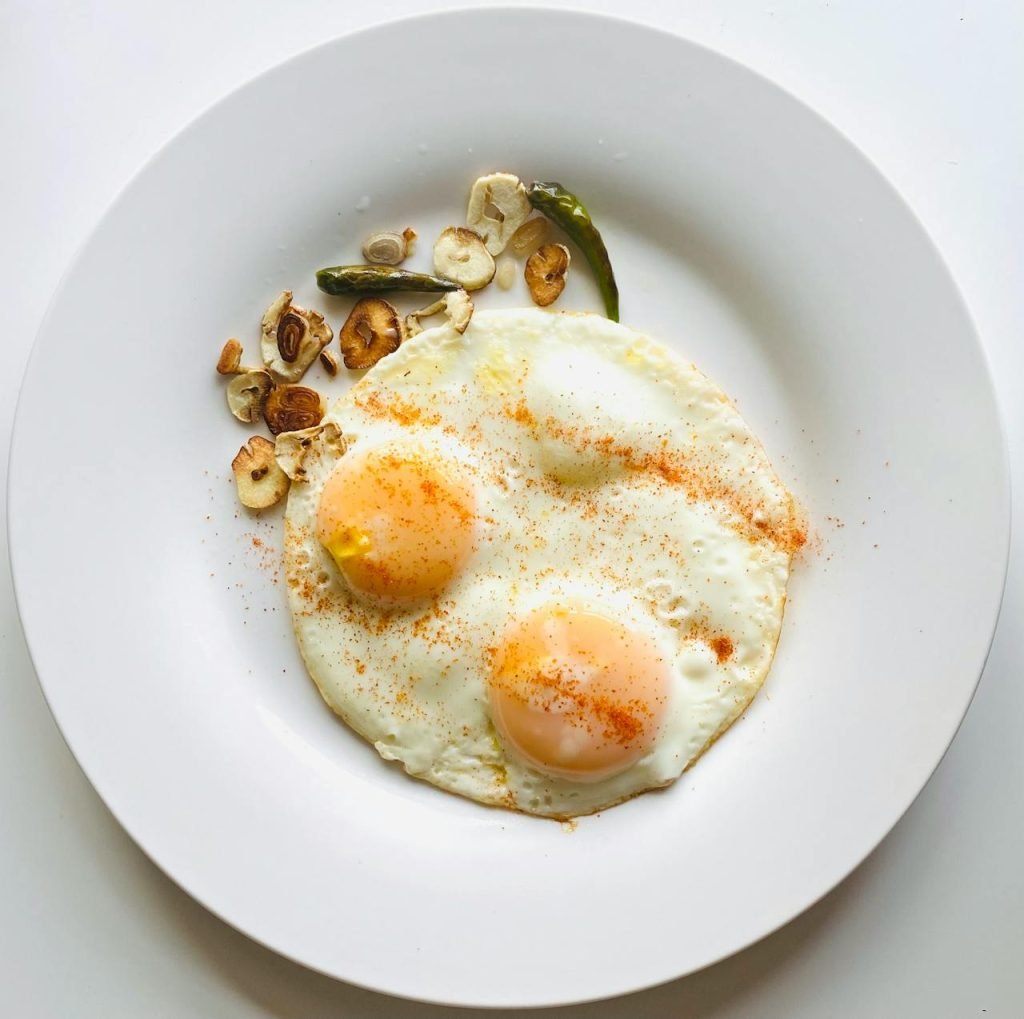
Now about the benefits. In terms of nutritional value, white and brown eggs are almost identical. They contain equal quantities of proteins, fats, B vitamins, vitamin D, choline and other beneficial substances - provided that the chickens ate similar food and lived in similar conditions. The color of the shell does not make an egg a “superfood” or deprive it of its benefits. Even their taste is no different - unless, of course, you take into account the bird’s diet. It is the food, and not the color of the egg, that can slightly change the flavor of the yolk.
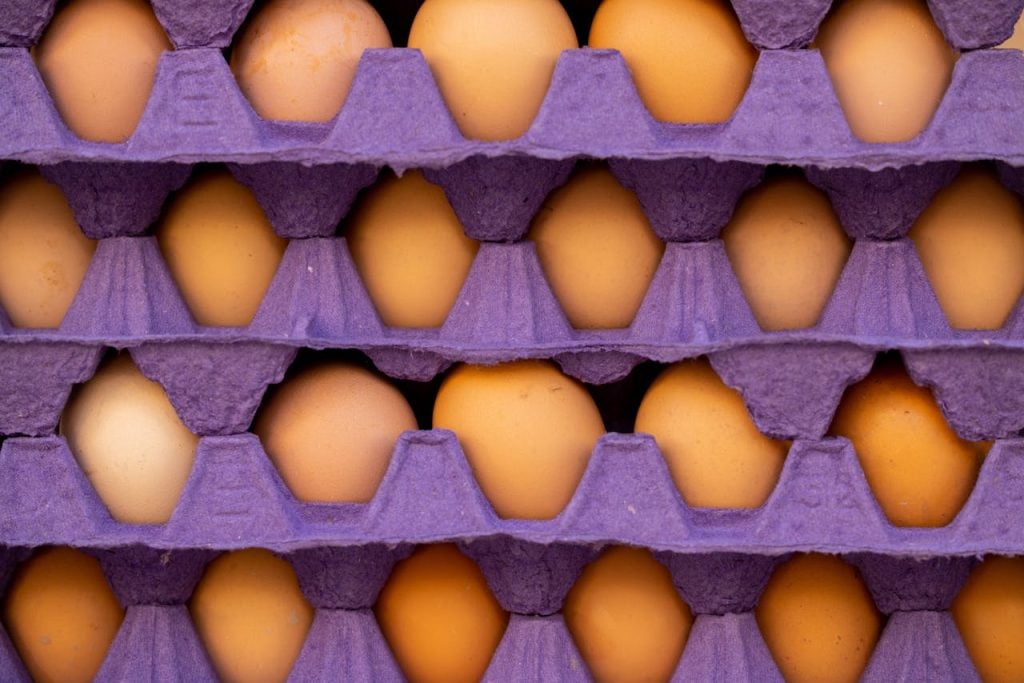
So what should you pay attention to in the store? First of all - for freshness. Look at the sorting date, check the integrity of the shell, pay attention to the category of the egg. If there is information about the method of keeping chickens - cage, floor, free range - this is a much more important criterion than color. Eggs from chickens with a more varied diet often have a rich yolk and a more pronounced taste, and this is really noticeable.
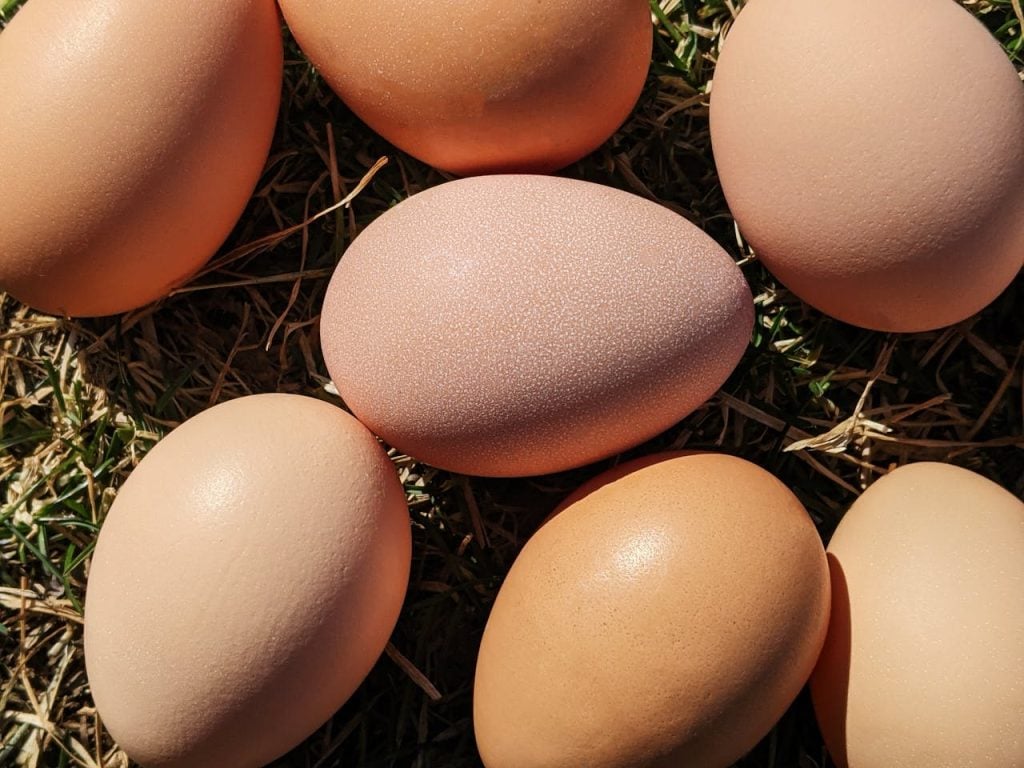
A separate issue is the price. Many have noticed that brown eggs are often more expensive. The reason here is not “elite”, but economics. Chickens that lay brown eggs tend to be larger and eat more feed. Their maintenance is more expensive, and this difference is reflected in the price tag. But paying more for color is more a matter of habit than real benefit.

In the end, it all comes down to a simple conclusion: choose eggs not with your eyes, but with your head. White or brown are just shells. Much more important is how the chicken lived, what it ate and how fresh the product you are holding in your hands. What about the color? Let it remain a matter of taste, and not a reason for doubt.